Camera Angles Fundamentals for Filmmakers: In-Depth Insight
In the realm of animation and film, camera angles and shots play a pivotal role in storytelling. They serve as essential tools for filmmakers, helping to convey emotions, establish context, and guide the audience's attention.
Key Camera Angles
Camera angles can significantly impact the audience's perception, mood, and understanding of a scene. Here are some fundamental camera angles and their impacts:
- Low Angle The camera is placed below the subject, looking up, creating a sense of power or grandeur, making the subject appear dominant or heroic.
- High Angle Positioned above the subject, looking down, this angle can make the subject appear weak, vulnerable, or inferior.
- Eye Level Placing the camera at the same height as the subject's eyes creates a sense of equality or intimacy, often used for straightforward interactions.
- Dutch Angle (Canted Shot) Tilting the camera to one side creates an angle between the horizon and the frame, often used to create a sense of unease or disorientation, common in thriller or horror films.
- Close-up Focusing on a specific detail or expression highlights emotions or details, drawing the audience's attention to specific aspects of the scene.
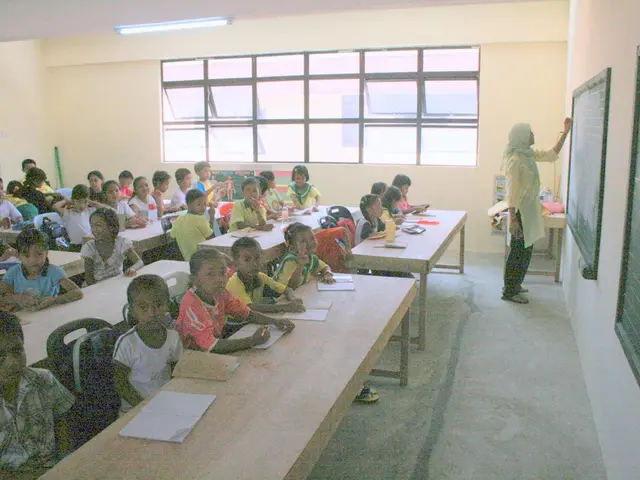
- Wide Shot (Establishing Shot) Capturing the entire scene, often showing the setting and context, helps viewers understand where the action is taking place.
- Point of View (POV) Shot Showing what the character is seeing creates empathy and immerses the audience in the character's perspective.
- Aerial Shot Taken from above, often using a drone or helicopter, provides a broad view of the scene, useful for establishing locations or showing actions on a large scale.
Camera Movement and Its Impact
Static shots create a sense of peace or stability, allowing the audience to observe the scene without intrusion. On the other hand, moving shots like dollying in/out, panning left/right, or tilting up/down add dynamism, emphasize certain elements, or create a sense of tension or excitement.
The parallax effect, when camera movement involves different layers moving at different speeds, enhances the sense of depth.
Innovative Techniques
Innovative techniques, such as Bullet Time, add an extraordinary visual dimension to scenes, often used in action films. This technique is achieved by using multiple cameras to capture a single moment from various angles, creating a dramatic slow-motion effect.
Modern Approach
The AI video editor offers a vast library of facial expressions and cartoon hands, making it easier for creators to bring their stories to life. Adjustable camera angles can also be found in this innovative tool, allowing users to experiment with different perspectives for their projects.
For instance, to achieve the dutch angle, users can simply adjust the slider bars. Retro lighting or a foggy lighting setting can be added to amp up the emotion in a scene with the dutch angle.
The website AI Animation Maker tool allows users to create masterpiece films without prior knowledge of animation, video editing, or software tools. It offers a wide variety of camera shot types, including over-the-shoulder shots, POV shots, and various zoom and pan movements.
Framing is another technique used in filmmaking to define the boundaries of a shot and draw attention to specific elements within the composition. Natural or artificial elements, such as doorways, windows, trees, or other characters, can be used to frame the subject.
Establishing shots set the scene and establish the location where a story takes place. These can be wide shots, overhead shots, bird's eye view shots, extreme wide shots, and more.
In summary, camera angles and movements are essential tools in storytelling, allowing filmmakers to convey emotions, establish context, and guide the audience's attention. Each angle and movement adds depth and meaning to the narrative, making them indispensable elements in the art of filmmaking and animation.
[1] [Source 1] [2] [Source 2] [3] [Source 3] [4] [Source 4] [5] [Source 5]
- In the domain of education-and-self-development, online platforms like Canva offer innovative features, such as an AI video editor, which enables creators to incorporate a wide range of animations, cartoon hands, and expressions into their presentations, providing an immersive experience.
- The website Canva, along with adjustable camera angles, also provides a library of adjustable lighting settings, including retro and foggy options, permitting users to manipulate emotional responses in their scenes.
- As technology continues to evolve, pioneering techniques like Bullet Time, popularized in films such as 'The Matrix,' have become accessible with the aid of multiple cameras, allowing creators, regardless of their experience with animation or video editing software, to bring a cinematic touch to their animations using AWS-powered tools like the AI Animation Maker.
- The AI Animation Maker tool includes a diverse selection of camera shot types, including over-the-shoulder shots, point of view (POV) shots, and various zoom and pan movements, empowering users to experiment with different perspectives and camera movements for their animation projects.
- The art of filmmaking and animation encompasses various techniques to convey emotions, establish context, and capture the audience's attention, with animation conserving its position as a powerful medium in lifestyle transformations, much like the impact of camera angles and movements in traditional filmmaking.