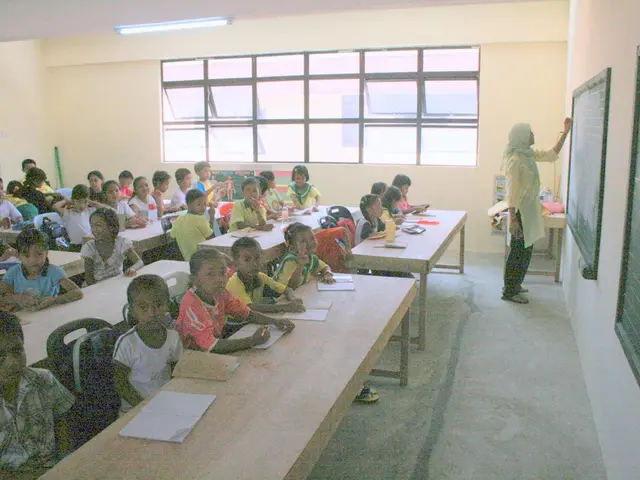

Factors Shaping a Community's Efficiency Level
Productive Communities: The Key to Success
In today's interconnected world, the productivity of communities—whether online or offline—plays a crucial role in driving innovation, fostering collaboration, and achieving common goals. Here are the key factors that contribute to a productive community:
1. Shared Purpose and Interests
Communities that share common interests or goals, be it professional, social, or hobby-related, foster active engagement and collaboration. This is true for both online communities, such as forums and knowledge sharing platforms like Salesforce Trailblazer, and offline groups, such as neighborhood support networks and professional meetups.
2. Accessibility and Inclusivity
Online communities remove physical and time barriers, allowing members from diverse locations and schedules to participate and learn at their own pace. Offline communities, enhanced by online tools, lower barriers between people in the same local area, facilitating spontaneous help and trust-building.
3. Peer-to-Peer Support and Knowledge Sharing
Online communities emphasize self-service and peer support, where users exchange advice, solve problems quickly, and contribute content that benefits all members. This collective knowledge pool reduces reliance on centralized support and fosters a sense of belonging and usefulness.
4. Engagement and Onboarding of Newcomers
Productive communities actively engage newcomers, helping them acclimate to community norms, contribute meaningfully, and bring fresh ideas without disrupting cohesion. Balancing this dynamic is essential to maintaining community health and innovation.
5. Social Interaction and Collaboration
Both online and offline productivity improve when communities foster communication, collaboration, and ongoing social interaction, which enhances learning and relationship-building. Real-world interactions following online connections (e.g., meetups, events, coworking) further strengthen these ties and sustain productivity.
6. Trust and Reciprocity
Offline communities benefit significantly from trust networks—built via either direct interaction or digital introductions—that motivate members to assist one another, reinforcing cooperative productivity.
7. Flexibility of Participation
Online communities inherently support fluctuating activity levels over time, accommodating members' schedules and energy, which sustains long-term productivity without burnout.
8. Technology and Tools
Effective use of digital platforms and self-service tools (forums, chatbots, knowledge bases) enhances efficiency, support quality, and user satisfaction, whether the community is online or supports offline collaboration.
In summary, productive communities thrive on shared goals, accessible and inclusive participation, vibrant exchange of knowledge, strong newcomer integration, trust-based relationships, and supportive technological infrastructure across both online and offline settings. The interplay between online connections and offline follow-through events is also a critical factor in sustaining community productivity over time.
Productive communities are a fertile ground for innovation, leading to new solutions, products, or services. They are resilient and adaptable, capable of navigating difficulties and continuing progress despite evolving conditions. Diversity within a community enriches it by introducing a broad array of perspectives, skills, and experiences.
Clear and well-defined goals provide direction and motivation for members, while open, transparent, and frequent communication ensures members are on the same page. A focus on productivity can sometimes lead to an overemphasis on outcomes at the expense of process, potentially undermining collaboration, learning, and relationship-building. However, a productive community is more likely to achieve its goals, whether they are social, economic, or cultural.
In the pursuit of fostering a productive lifestyle, participation in communities centered on education-and-self-development can facilitate collaboration and knowledge sharing, leading to personal growth. These communities, whether online or offline, can help individuals overcome obstacles and learn from peers with diverse perspectives.
Furthermore, harnessing the power of such productive communities can have a significant impact on one's educational progress by expanding one's network and unlocking opportunities for collaboration in the realms of lifestyle and self-development.