Permanent arrangement for emergency shelter for children and families established in Stuttgart
In the heart of Stuttgart, a unique initiative is underway to provide emergency accommodation for homeless minors, ensuring their safety and well-being during the winter months, and all year round. This initiative, a mandatory provision for all cities in Baden-Württemberg, is a testament to the state's commitment to protecting its most vulnerable citizens.
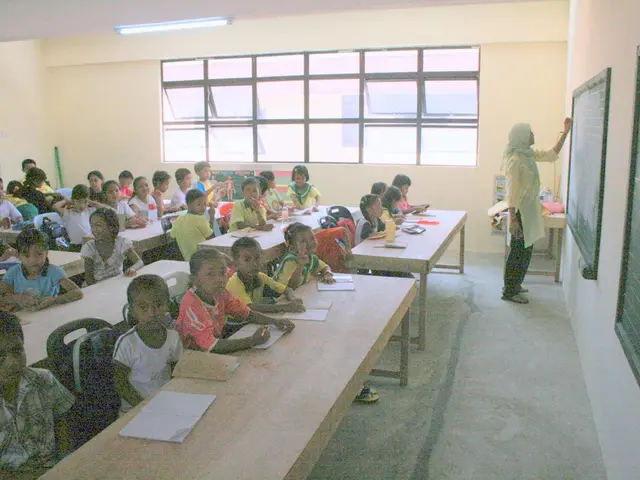
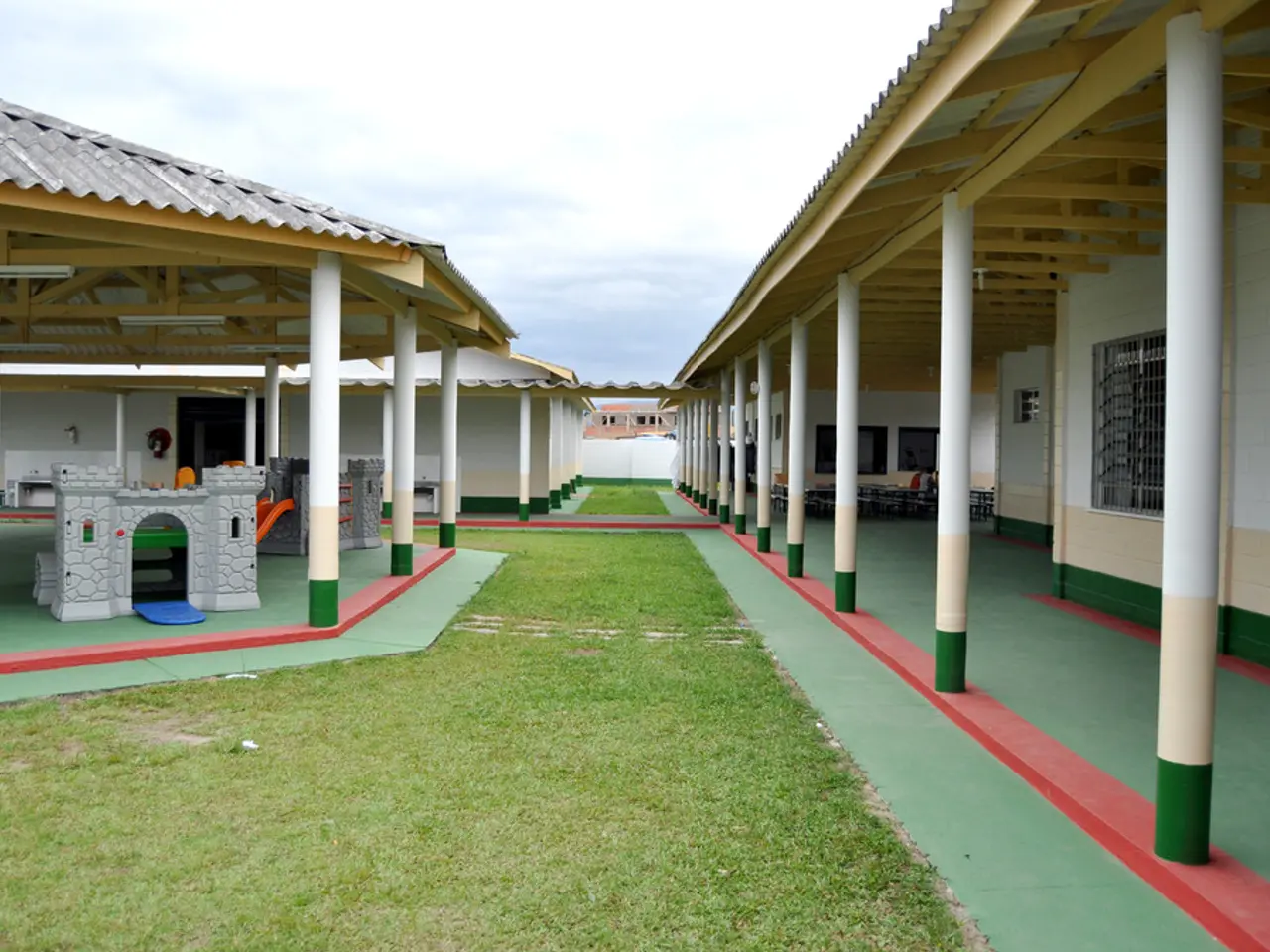
The central overnight stay in Stuttgart, jointly managed by the Office for Social Affairs and Participation and the Office for Public Order, offers a low-threshold, pedagogically based service. This service prioritises individual attention and care for affected children and young people, providing a nurturing environment that combines playful and creative elements with learning units.
The Youth Welfare Office plays a pivotal role in this initiative, offering emergency accommodation and case management services to families with underage children facing homelessness. This support extends beyond temporary shelter, encompassing socio-educational interventions by qualified social workers. These interventions are designed to promote the well-being and integration of minors into the community and education system.
The legal basis for such care comes from German child and youth welfare laws, which mandate support for minors in precarious housing situations. This ensures their protection and development through pedagogical support and counseling. The Social Code Book (SGB VIII) in Germany regulates these services, including a duty to provide assistance to children and young people in need of protection.
In Stuttgart, acute homelessness among families with underage children is addressed by the Youth Welfare Office. They offer emergency accommodation, placement in social housing or temporary shelters, and advisory support to stabilise the situation. This holistic approach ensures that homeless minors receive not only immediate shelter but also ongoing support to facilitate their development and reintegration.
Additional voluntary benefits, such as the Stuttgart FamilyCard, further complement this emergency accommodation and care. These benefits facilitate access to participation in educational and leisure activities, providing a well-rounded support system for homeless minors.
The necessity of this offer is underscored by Dr. Clemens Maier, Mayor for Security, Order, and Sports, who emphasises the importance of protecting the dignity and physical integrity of all citizens, particularly the most vulnerable. Homelessness poses significant threats to these fundamental rights, and initiatives like the central overnight stay in Stuttgart aim to mitigate these threats.
This emergency accommodation is a supplement to the already established overnight stays in Stuttgart, providing an additional safety net for those who may fall through the cracks of the regular system. It is designed for minors, children, and young people, along with their families, who are not eligible for social benefits and cannot access regular social shelters.
In a city known for its order and security, this initiative is a beacon of hope for homeless minors, offering them a safe and nurturing environment during their time of need. It is a testament to Stuttgart's commitment to its most vulnerable citizens and a model for other cities to follow.
- The emergency accommodation initiative in Stuttgart, alongside socio-educational interventions, aims to integrate homeless minors into the community and education system, emphasizing their education and self-development.
- The holistic approach in Stuttgart, encompassing emergency accommodation, case management, and access to educational and leisure activities, serves to foster the development and self-improvement of homeless minors.