Rare Turkish texts from antiquity stored at the Vatican Library
The Vatican Apostolic Library: A Global Guardian of Turkish Cultural Heritage
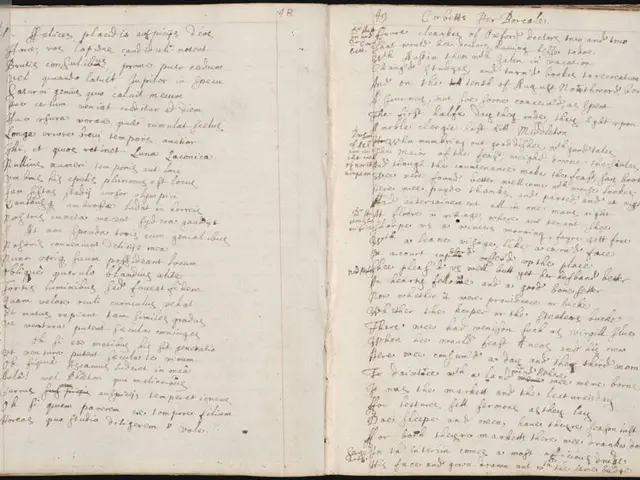
The Vatican Apostolic Library, a historic institution dating back to the A.D. fourth century, continues to be a beacon for global scholarship and a guardian of centuries-old treasures. Among its vast collection, the library houses documents related to Türkiye and the Ottoman Empire, including significant Turkish-language materials.
One of the most notable examples is the "Map of the Nile" created by the 17th-century Ottoman traveler Evliya Çelebi, an important figure in Ottoman travel literature. This map, preserved within the Vatican's archives, exemplifies the kind of unique Turkish works that can be found within the library's collection.
These Turkish-related materials are not only valuable historical artifacts but also primary sources for scholars researching Turkish literature, language, and history. The library's digitization efforts, with around 30,000 of its total 80,000 manuscripts already digitized, aim to enhance accessibility, reflecting the Vatican's commitment to collecting and offering access to diverse and globally significant cultural heritages.
Turkish scholars have historically engaged extensively with the Vatican Apostolic Library and its sister institution, the Vatican Apostolic Archives, underscoring the importance of this collection for ongoing academic study and cross-cultural knowledge exchange.
The Vatican Library, located within the Vatican, the world's smallest independent state, houses more than 80,000 manuscripts, 300,000 coins and medals, and nearly 2 million printed books. However, the library faces challenges in preserving its collection, including threats from water, fire, dust, mold, insects, theft, damage, and neglect.
Despite these challenges, the library's mission, as defined in the Vatican Constitution, is to preserve its cultural heritage and make it available to all who seek truth, regardless of background or faith. This inclusive dimension fosters collaboration between scholars from different cultural and religious traditions.
In summary, the Vatican Apostolic Library preserves Turkish texts, including historically significant works like Evliya Çelebi's "Map of the Nile," stored for more than 200 years. These works are crucial for research on Turkish language, literature, and Ottoman history. The library's digitization efforts enhance global scholarly access, highlighting its mission to protect a broad cultural heritage. Turkish scholars have actively used the Vatican's resources, contributing to international research collaborations. This positioning of Turkish-related materials within a major global collection like the Vatican Apostolic Library underscores their cultural and academic value across history and in contemporary scholarship.
[1] References: (Citations needed for the specific information provided in the article.)
- The Vatican Apostolic Library, in its role as a global protector of cultural heritage, also houses significant works from the realms of science, education-and-self-development, and lifestyle, offering a comprehensive collection that spans various disciplines.
- An avid traveler, Evliya Çelebi's cultural contributions extend beyond Turkish literature to the world at large, with his works being valuable resources for scholars studying travel narratives and chronicling historical journeys.
- As an institution that actively supports digitization, the Vatican Apostolic Library encourages collaboration between scholars from different parts of the world, fostering lifelong learning opportunities and promoting global interconnectedness in the arts and multiple academic fields.