
Support for Socially Disadvantaged Groups: Ensuring Fairness and Legal Protections
=====================================================
In the pursuit of social justice and equality for marginalized communities, public interest law plays a pivotal role. A combination of high-impact legal approaches, community engagement, policy advocacy, and education forms the backbone of current strategies.
These strategies aim to use the law as a tool to challenge systemic discrimination and secure equal access to fundamental rights and services. One of the key strategies is strategic litigation and legal advocacy, where public interest law organizations engage in litigation to enforce civil rights and combat discrimination.
The Public Interest Law Center, for instance, employs litigation, advocacy, organizing, and community education to protect marginalized communities from inequality and poverty, and to uphold the right to vote and protect against gun violence. Similarly, the Center for Public Representation uses litigation and policy advocacy to advance the integration and community participation of people with disabilities, defending important laws like Section 504 of the Rehabilitation Act.
Effective advocacy also involves forming coalitions across communities and organizations to amplify impact. The South Asian Bar Association of North America’s Racial Justice Task Force operates in allyship with Black and other minority communities to confront institutionalized racism and promote equity, through education, outreach, and lobbying for reforms.
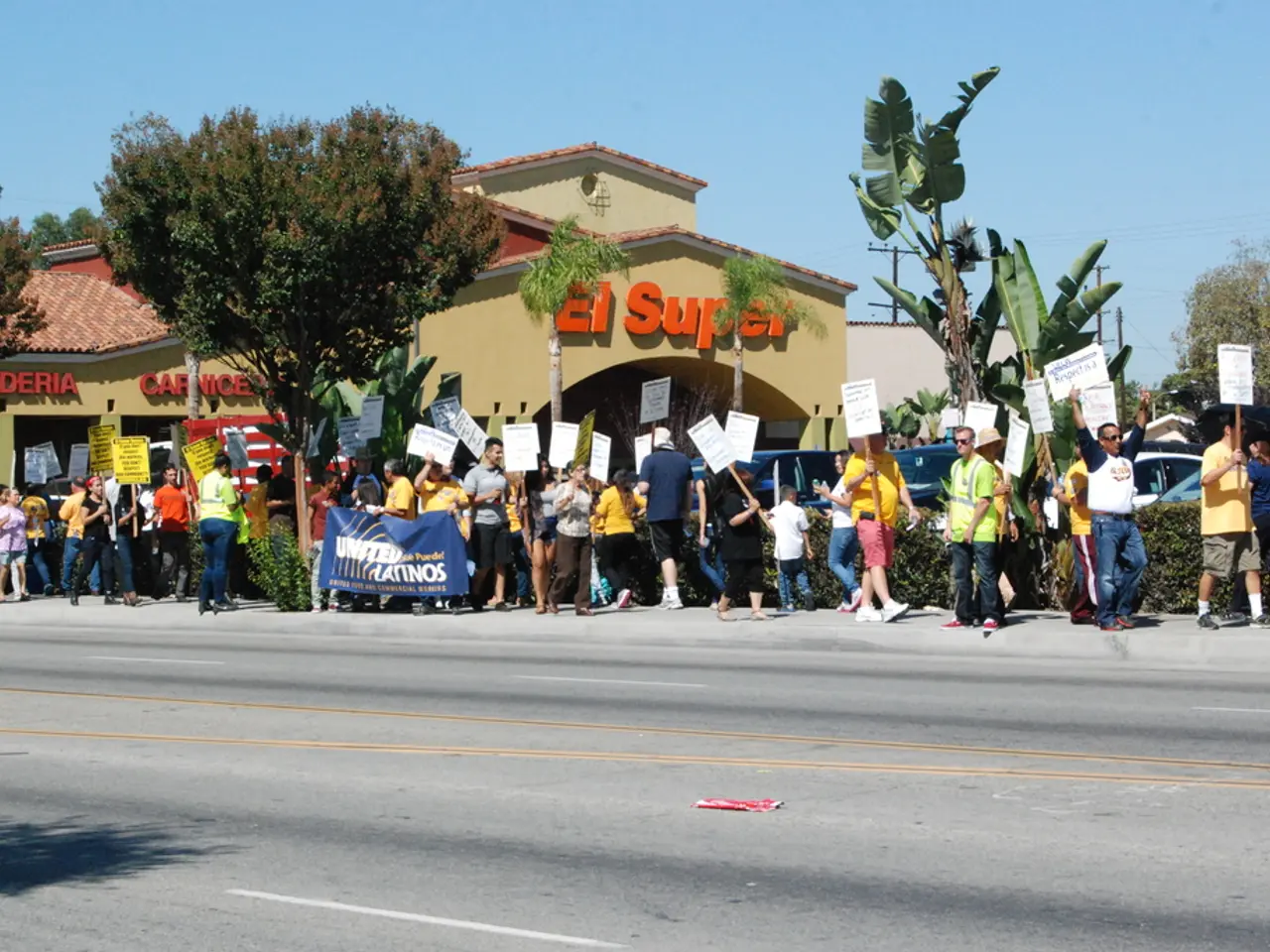
Community engagement and organizing are essential components of advocacy efforts. Social workers advocate at the community level by partnering with schools, parent groups, and nonprofits to address issues like mental health stigma and underfunding, illustrating the role of community organizing combined with policy advocacy.
Advocates also work to influence policy changes by lobbying lawmakers and proposing new legislation to address structural inequalities. For example, social work advocacy includes legislative efforts to improve transportation access and reduce evictions, showcasing how legal advocacy can shape societal structures.
Providing communities and advocates with resources and toolkits facilitates organized communication with elected officials, empowering marginalized groups to voice their concerns effectively. The South Asian Bar Association offers an advocacy toolkit to enable direct dialogue with policymakers as part of its broader effort to promote racial justice.
These strategies are often integrated to create comprehensive advocacy efforts that combine courtroom battles, public education, grassroots activism, and policymaker engagement tailored to the specific needs of marginalized communities. They emphasize empowerment, coalition-building, and systemic change rather than solely case-by-case legal victories.
Legal aid and support services provide free or low-cost legal assistance, helping marginalized individuals navigate complex legal systems and ensuring fair representation. Engaging with legal aid and support services helps build stronger communities by fostering awareness and providing education on legal rights.
Engagement fosters a sense of ownership among community members, enhancing their investment in advocacy initiatives. Effective advocacy strategies include conducting research to identify key issues, mobilizing communities to express their concerns, and promoting policy solutions that reflect the needs of those affected.
Collaboration with stakeholders, fostering alliances with other organizations, and engaging individuals with lived experiences is an impactful advocacy approach. Resource allocation is critical for successful advocacy efforts, including access to legal expertise, funding for campaigns, and educational materials.
Advocacy surrounding issues such as the Affordable Care Act has significantly impacted marginalized populations, ensuring access to healthcare for low-income individuals. Nonprofits and advocacy organizations offer training, funding, and networking opportunities, serving as foundational resources for advocates.
However, marginalized communities still face ongoing legal challenges, including discriminatory laws, insufficient legal representation, and difficult access to resources. In the realm of criminal justice, disparities in sentencing and police practices pose severe hurdles for marginalized individuals. One prominent ongoing legal challenge involves voting rights, with numerous states enacting laws that disproportionately affect minority populations.
The Fair Housing Act of 1968 is an inspiring case study in advocacy for marginalized communities, empowering organizations to advocate for equitable housing access for racial and ethnic minorities. The advocacy surrounding the Affordable Care Act has significantly impacted marginalized populations, ensuring access to healthcare for low-income individuals.
When community members actively participate in advocacy efforts, they become vital partners in promoting social justice. Community engagement creates pathways for education and awareness, informing community members about their legal rights.
The American Civil Liberties Union's (ACLU) efforts in landmark cases, such as Obergefell v. Hodges, showcase the vital role public interest law plays in advocacy, contributing to social progress and legal recognition. In conclusion, effective advocacy strategies, combined with community engagement and empowerment, serve as the cornerstone for achieving social justice and equality for marginalized communities.
- An integral part of the Public Interest Law Center's mission is to promote education and self-development, empowering marginalized communities with knowledge about their fundamental rights and services.
- In the realm of education-and-self-development, community engagement is crucial for fostering awareness and providing resources, paving the way for lifestyle improvements and social advancement within marginalized communities.