Tech platforms amplify job opportunities for Africa's younger population
Tech platforms and organisations across Africa are working tirelessly to widen access to internships and address the challenges faced by young job seekers in the rapidly growing sectors of fintech, e-commerce, healthtech, and edtech.
These platforms aim to provide expanded job opportunities for young Africans by eliminating location-based barriers and offering features like candidate matching, application tracking, and tools for remote teamwork.
One of the key challenges in Africa is the significant digital skills gap, particularly in areas such as advanced programming, data analytics, digital marketing, cloud computing, and cybersecurity. However, tech-driven internship platforms are addressing this issue by offering targeted training programs through bootcamps, micro-learning modules, and industry certifications.
For instance, the MTN Digital and Financial Skills Learning Program 2025, run by MTN Skills Academy, provides training in four in-demand digital skills: Product Analysis, Data Analysis, Software Development, and Social Media Management (digital marketing). The program also offers career guidance, job readiness, and mentorship to increase employability in the digital and financial sectors.
The African Union CIEFFA Online Capacity Building Training 2025, co-hosted with ImpactHER, focuses on digital literacy, STEAM (Science, Technology, Engineering, Arts, Mathematics), financial literacy, and entrepreneurship with an emphasis on gender equity. This program targets women and men across African Union member states and the diaspora, aiming to equip participants and women teachers with digital skills essential for teaching and leadership in these fields.
A strategic partnership between Apis Training (a Swedish global telecom education provider) and NIL Africa (South African telecom training firm) aims to expand access to crucial ICT and telecom training across Sub-Saharan Africa. This partnership addresses the shortage of future-fit technical skills needed to support digital infrastructure growth in sectors like finance and healthcare, offering industry-relevant training to telecom professionals.
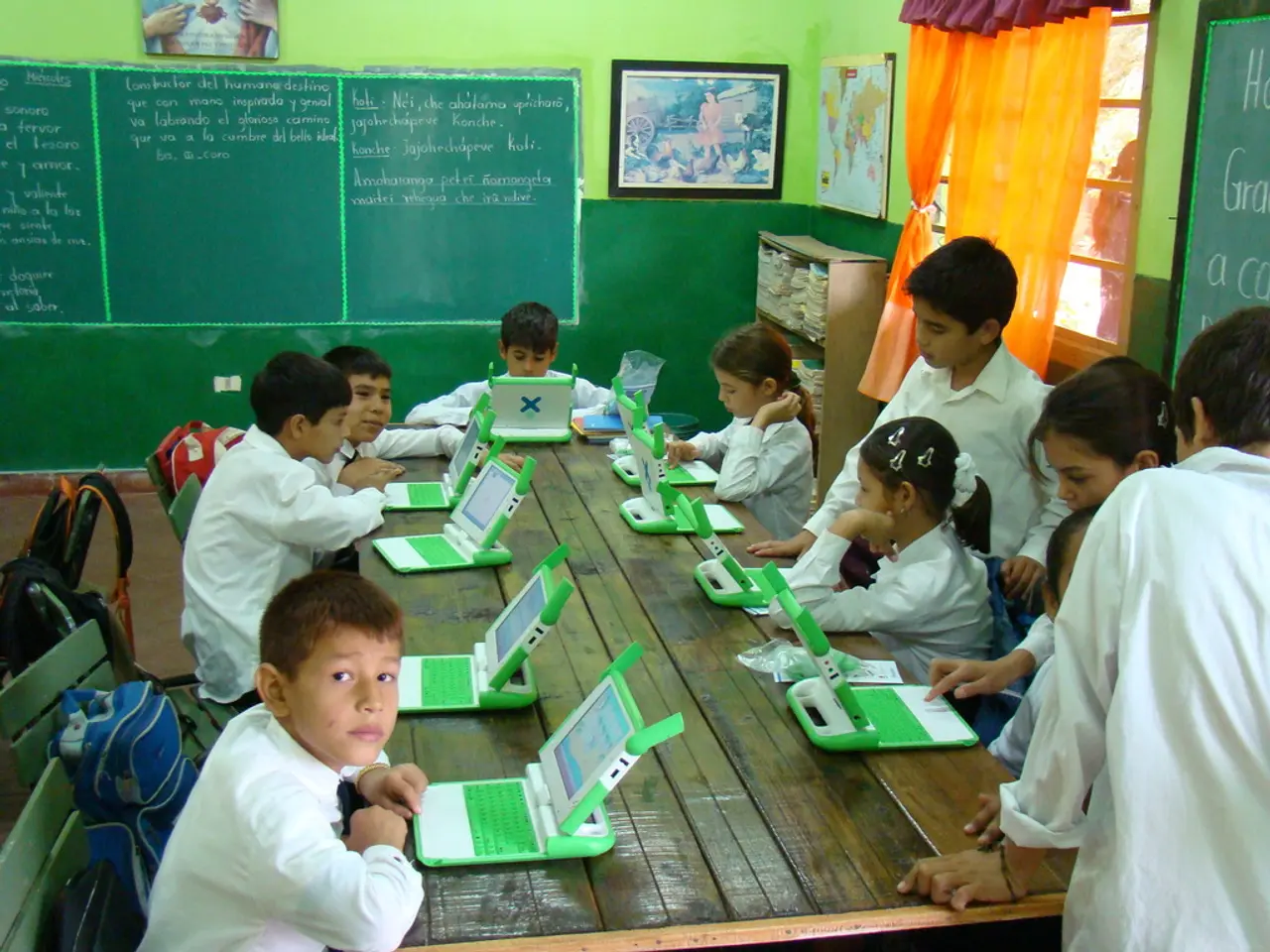
4Sight Holdings in South Africa launched a digital skills program targeting youth unemployment by introducing digital tools and basic IT training at a primary school level in Diepsloot. This initiative provides foundational digital skills to prepare learners for jobs in telecommunications, data analysis, and IT, addressing skills gaps early to support long-term employability.
Together, these platforms offer a mix of comprehensive tech skill-building focused on software development, data analysis, digital marketing/social media management, financial literacy, and STEAM education—key competencies needed for thriving in fintech, e-commerce, healthtech, and edtech sectors.
| Role | Example Training Programs & Features | |--------------------|----------------------------------------------------------------| | Software Developers | MTN’s software development course; Apis Training’s ICT & telecom certification | | Data Analysts | MTN’s data analysis training; 4Sight Holdings’ IT basics includes data skills | | Digital Marketers | MTN’s social media management program covers digital marketing strategies | | STEAM Educators | African Union CIEFFA builds capacity of women teachers for STEAM and digital literacy |
These efforts highlight a growing recognition that bridging Africa’s digital skills gap requires multi-stakeholder collaboration, gender inclusion, early education intervention, and alignment with rapidly evolving digital economy demands.
Young people in rural areas can access tech platforms and training opportunities by leveraging mobile devices, affordable internet solutions, and community resources. Making platforms more accessible for mobile users and low-bandwidth environments can help expand the reach of tech internship platforms in Africa. Improving access to reliable internet and electricity, particularly in rural areas, is crucial for the growth of tech internship platforms in Africa.
Remote work options allow candidates from rural or underserved areas to intern remotely without the need for relocation. Practical learning opportunities are offered through internships, allowing interns to work on actual business tasks, develop skills, get feedback from mentors, and create a portfolio. Online internships are cost-effective and accessible from anywhere, but require a stable internet connection.
In-person internships provide face-to-face networking and direct department-specific experience, but are more expensive due to living costs. However, the benefits of remote work and online internships, such as cost savings, accessibility, and the ability to work from anywhere, are making them increasingly popular choices for both candidates and employers.
Building stronger collaborations between platforms and local businesses can create more internship opportunities for young Africans. These partnerships can help bridge the gap between education and employment, ensuring that young Africans are equipped with the skills needed to thrive in the digital economy.
These initiatives are a step in the right direction towards addressing the digital skills gap in Africa and ensuring that young Africans have the opportunity to succeed in the tech industry. As the demand for tech professionals continues to grow, it is essential that we continue to invest in education, training, and partnerships to ensure that Africa's digital workforce is equipped to meet the challenges of the future.
[1] MTN Digital and Financial Skills Learning Program 2025
[2] African Union CIEFFA Online Capacity Building Training 2025
[3] Apis Training and NIL Africa Partnership
[4] 4Sight Holdings Digital Skills Program
- As technology revolutionizes various sectors in Africa, education-and-self-development programs like the MTN Digital and Financial Skills Learning Program 2025, African Union CIEFFA Online Capacity Building Training 2025, Apis Training and NIL Africa Partnership, and 4Sight Holdings Digital Skills Program are vital for equipping young Africans with the necessary digital skills, intensifying their employability in industries such as fintech, e-commerce, healthtech, and edtech.
- Leveraging technology, these education-and-self-development platforms not only aim to provide lifestyle improvements through career advancement but also contribute towards general-news developments by fostering gender inclusions, bridging the digital skills gap, and promoting rural development.