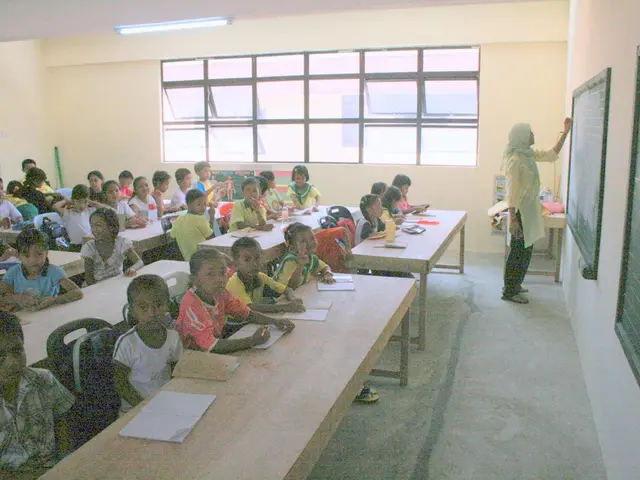

Techniques for Efficiently Embracing Calm Discipline in Gently Parenting
Gentle parenting is a child-rearing philosophy that emphasizes empathy, respect, and positive communication. At its core, gentle parenting aims to raise children who are emotionally intelligent, compassionate, and resilient, by fostering a close relationship and promoting emotional intelligence.
Using natural consequences to teach responsibility involves allowing children to experience the direct link between their actions and the results. This approach encourages children to take ownership of their actions and learn from their mistakes. Over-explaining can lead to confusion, so it's important to keep explanations simple and clear, especially during disciplinary moments.
Modeling respectful interactions with others, such as saying "please" and "thank you," teaches children these values far more effectively than simply instructing them. Fostering positive communication involves active listening, giving full attention to the child, and validating their feelings.
Navigating public meltdowns with calm strategies involves staying calm, offering comforting words, and removing children from overstimulating situations. Patience is vital in gentle parenting, as change doesn't happen overnight and children often repeat behaviors before they learn from them.
With school-age children, gentle discipline includes fostering independence while maintaining connection. Creating an environment that promotes positive behavior involves minimizing triggers for misbehavior and providing opportunities for independent play and learning.
Positive reinforcement is about celebrating a child's efforts rather than focusing solely on their achievements. The power of time-in vs. time-out is in bringing the child close to help them regulate their emotions and providing comfort.
With teenagers, gentle discipline involves open communication, respect for their growing autonomy, and guiding them without judgment. Offering choices and involving children in decision-making can reduce power struggles by giving them a sense of control and autonomy.
Activities to strengthen the parent-child bond include shared hobbies, bedtime stories, family meals, and one-on-one play. While gentle parenting takes time, it's adaptable to even the busiest schedules. Small moments of connection—a hug before school, listening during dinner, reading a story at bedtime—can make a big difference.
During conflicts, it can be helpful to have a few go-to scripts. For example, if a child hits, you might say, "I see you're feeling very angry. We don't hit people. Let's find another way to show how we feel." These scripts combine acknowledgment with gentle redirection.
Active listening can change the approach to discipline by making children feel understood, making them more open to guidance and reducing instances of misbehavior driven by frustration or feeling unheard. Dealing with tantrums the gentle way involves staying calm, offering comfort, and helping the child label their emotions.
Parenting can be emotionally taxing, and how parents regulate their own emotions significantly affects their approach to discipline. Children learn emotional regulation by watching how their parents handle stress and conflict. Staying calm helps set a positive example.
Routines provide children with predictability, which reduces anxiety and power struggles. Consistent bedtime routines, morning routines, and meal schedules help children know what to expect, making transitions smoother and behavior more predictable.
The role of boundaries in gentle parenting is to provide children with a sense of security and help them understand the expectations of acceptable behavior. Bad days happen, and that's okay. Gentle parenting encourages self-compassion—acknowledging when things didn't go as planned and trying again tomorrow.
Gentle discipline is not a lack of consequences; instead, children experience natural or logical consequences that are directly related to their actions. Certain phrases can greatly enhance cooperation, like "I need your help with this," or "Let's work on this together." Phrasing requests as opportunities empowers children.
The effects of gentle parenting extend far beyond childhood. By raising children with empathy, respect, and connection, parents lay the groundwork for emotionally intelligent, compassionate adults. Empathy is the cornerstone of gentle parenting, building trust and a sense of security for children.
Gentle parenting replaces fear-based obedience with respect-driven cooperation. Redirecting behavior instead of punishing keeps the focus on what the child can do rather than what they cannot, reducing frustration and fostering cooperation.
Together, these techniques focus on empathy, respect, and consistency, strengthening the parent-child bond and teaching appropriate behavior through example and clear communication rather than fear or punishment. Every journey in gentle parenting is unique, filled with lessons about patience, empathy, and resilience. Parents who practice gentle discipline often reflect on how it has not only transformed their children but also reshaped their own attitudes toward parenting and personal growth.
[1] Karp, A. (2012). The Whole-Brain Child: 12 Revolutionary Strategies to Nurture Your Child's Developing Mind. New York: Bantam Books.
[2] Phelan, J. (2016). How to Talk So Kids Will Listen & Listen So Kids Will Talk. New York: Scribner.
[3] Siegel, D. J., & Bryson, T. P. (2011). The Whole-Brain Child: 12 Revolutionary Strategies to Nurture Your Child's Developing Mind. New York: Bantam Books.
[4] Sears, W., & Sears, M. (2004). The Discipline Book: Positive Parenting from Toddler Through Adolescence. New York: Little, Brown Spark.
[5] Ainsworth, M. D. S., Blehar, M. C., Waters, E., & Wall, S. (1978). Patterns of Attachment: A Psychological Study of the Strange Situation. Hillsdale, NJ: Lawrence Erlbaum Associates.
- The approach of gentle parenting encourages fostering a close parent-child relationship, promoting emotional intelligence and raising children who are compassionate and resilient.
- In practicing gentle parenting, using natural consequences teaches children responsibility, allowing them to learn from their mistakes, while simplicity in communication is key during disciplinary moments.
- Modeling respectful interactions and fostering positive communication helps children learn to respect others, teaching them active listening, full attention, and validating their feelings.
- Navigating public meltdowns with calm strategies and patience helps children learn to regulate their emotions, as children often repeat behaviors before they learn from them.
- With school-age children, gentle discipline builds independence while maintaining connection by creating an environment that promotes positive behavior, minimizing triggers, and providing opportunities for independent play and learning.
- Positive reinforcement celebrates a child's efforts and helps them develop a strong sense of self-worth while offering choices and involving children in decision-making reduces power struggles.
- Shared hobbies, family meals, bedtime stories, and one-on-one play are activities to strengthen the parent-child bond, and gentle parenting takes time but is adaptable to even the busiest schedules.
- When dealing with conflicts, acknowledging a child's emotions with scripts like "I see you're feeling very angry" and offering comfort can help foster cooperation and reduce instances of misbehavior driven by frustration or feeling unheard.
- The role of boundaries in gentle parenting helps children understand expectations of acceptable behavior and provides children with a sense of security.
- Gentle discipline replaces fear-based obedience with respect-driven cooperation, focusing on empathy, respect, and consistency, and uses phrases that enhance cooperation, like "I need your help with this."
- The effects of gentle parenting extend beyond childhood, laying the groundwork for emotionally intelligent, compassionate adults who have learned empathy, patience, and resilience.
- Resources like "The Whole-Brain Child," "How to Talk So Kids Will Listen & Listen So Kids Will Talk," "The Whole-Brain Child," "The Discipline Book," and "Patterns of Attachment" provide further insights into gentle parenting and its components.