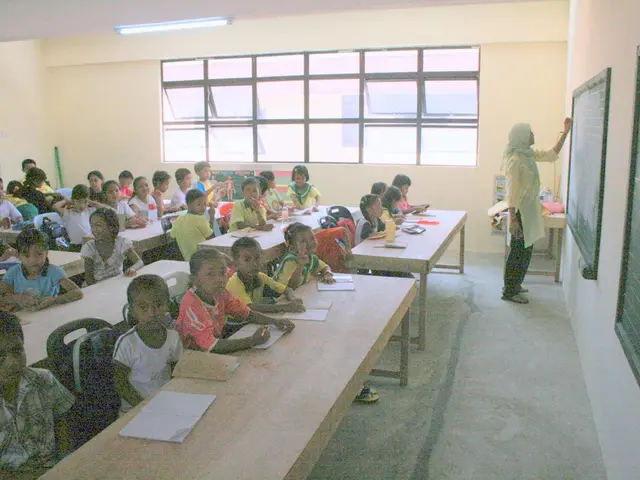

Thousands of teaching jobs in Germany were eliminated due to a technical error in the system.
**Baden-Württemberg Faces Decades-Long Staffing Crisis Due to Programming Error**
A programming error that occurred in 2005 has caused a staffing crisis in the German state of Baden-Württemberg, leaving more than 1,400 teaching positions unfilled for nearly two decades. The error, which was discovered this month during an update of the state's education personnel software, has led to a host of challenges for the education sector.
The error occurred during the data transfer when Baden-Württemberg's education authorities migrated to a new personnel management system called DIPSY in 2005. As a result, teaching positions were incorrectly logged as occupied instead of vacant. Over the years, this error accumulated, with estimates suggesting that around 80-100 "phantom" jobs were created annually.
The lack of personnel has led to a number of consequences. Missing lessons, cancelled classes, and limited support for vulnerable pupils, including those at special education and counselling centres, are some of the most prominent issues. Schools for special educational needs, primary schools, and secondary moderns are believed to have suffered most due to the chronic lack of personnel.
The continued existence of unfilled positions may indicate deeper systemic issues, such as inadequate recruitment processes or unappealing working conditions. The broader education sector may face challenges in attracting and retaining quality educators, affecting overall educational standards. Long-term vacancies can strain existing staff, leading to burnout and affecting morale among educators.
To address these issues, educational authorities might consider implementing more robust IT systems, enhancing recruitment processes, and reviewing staffing policies to mitigate the effects of prolonged vacancies. A working group has been established to clarify causes, accountability, and enact prevention measures to prevent a similar occurrence.
Teachers' unions are insisting that all unspent funds should be redirected into schools to address the education deficit. Opposition politicians and teachers' unions argue that the long-term costs in educational outcomes for pupils attending schools which weren't adequately staffed may be significant.
The Baden-Württemberg government has pledged to fill all 1,440 vacant teaching positions, with priority given to special needs, primary, and non-gymnasium secondary schools. However, neither the Ministry of Finance nor the Ministry of Education can explain why the mistake went unnoticed for so many years.
Periodic payroll and staffing reviews, as well as internal audits, all failed to spot the growing discrepancy. The error remained undetected for 20 years due to system complexity, procedural blind spots, and lack of cross-checking controls.
As the education sector works to rectify the situation, it serves as a reminder of the importance of robust IT systems and regular audits to ensure the accurate management of educational resources.
- To improve the attrition of quality educators and enhance educational standards, Baden-Württemberg's educational authorities might focus on leveraging technology, such as implementing more robust IT systems that would prevent similar errors and provide accurate management of staffing data.
- In light of the severity of the decades-long staffing crisis and its impact on education-and-self-development, it is crucial for the broader education sector to adopt best practices in technology, including regular audits, to ensure the efficient allocation and management of educational resources.