"Three years of extensive conflict in Ukraine stated by a resident: "This is my everyday existence"
Three years on from Russia’s full-scale invasion, the daily life of Ukrainians continues to be marked by hardship, loss, and resilience. Despite the ongoing conflict and its far-reaching consequences, the spirit of the Ukrainian people remains unbroken.
## Psychological Impact
The psychological toll on Ukrainian civilians remains severe, with high rates of post-traumatic stress disorder (PTSD), anxiety, depression, and psychological distress across all demographic groups. Constant shelling, displacement, witnessing violence, and the threat to personal safety contribute to enduring mental health struggles, particularly for those closest to the frontlines. The loss of loved ones and the destruction of familiar environments further compound the psychological impact.
## Living Conditions
Living conditions in Ukraine have deteriorated sharply, especially in conflict-affected regions. Civilian casualties have risen, with reports indicating a 37% increase in conflict-related deaths. Infrastructure, including housing, transport, energy, and commercial sectors, has suffered widespread damage. Daily life is marked by intermittent electricity, heating, and water shortages, particularly near the front lines. The war has also led to the destruction of hospitals and schools.
## Displacement
Displacement continues to be a major issue, with approximately 3.7 million Ukrainians internally displaced, and millions more having fled across borders. Displacement disrupts family relationships and social networks, further contributing to psychological distress and economic hardship.
## Humanitarian Aid
Humanitarian organizations remain active, providing essential services such as food, shelter, medical care, and psychosocial support. However, the scale of need often outstrips available resources, especially in hard-to-reach or heavily contested areas. JERU, a humanitarian organization, has provided multi-purpose cash assistance to families like Lesia’s for repairs, firewood, and medicines.
## Broader Societal Impact
The war has led to increased poverty, disruption of education, and significant damage to social institutions. Children and young people have had their happy childhoods and youth stolen due to the war. The approach of the front line has made access for humanitarian organizations much more difficult, and the loss of life and infrastructure has been devastating.
## Humanitarian Workers and Children
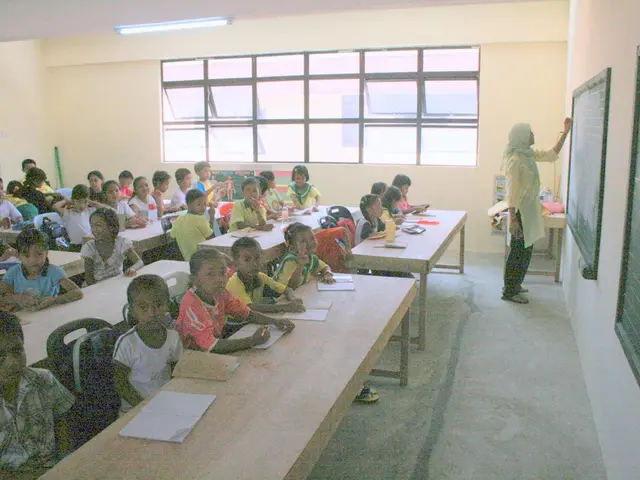
Two Russian bombs destroyed a school in a neighbouring village where similar classes were held, shocking JERU staff. Psychosocial support classes were provided to children in a small village near the front line by JERU and a charity organization. However, the danger faced by humanitarian workers is a stark reality, with up to 25 workers killed and 58 injured over the course of the war.
## Adaptation and Hope
Despite the hardships, the population of small towns and villages in Ukraine is now primarily composed of women with children and the elderly, due to military mobilization. Tetiana Zaskoka, a colleague from Sumy, a city on the front line, has adjusted to a life where there is only the present day. A woman expressed her desire to return to her old life before the war, but acknowledged that it is not possible. Participants in livelihood projects run by the organization express that they receive hope, not just money, as the most important benefit.
In conclusion, everyday life in Ukraine remains overshadowed by insecurity, hardship, and loss. However, the resilience and international support are helping many to cope. The path to recovery remains long and uncertain, but the spirit of the Ukrainian people remains unbroken.
- Mental health remains a significant concern for Ukrainian civilians, with high rates of PTSD, anxiety, depression, and psychological distress due to the ongoing conflict and its associated traumas.
- Beyond the physical destruction, the war in Ukraine has also caused significant disruption to education, leading to stolen childhoods and youth for many children and young people in the country.
- Humanitarian organizations continue to work tirelessly in Ukraine, providing essential services such as food, shelter, medical care, and psychosocial support, but the scale of need often outstrips available resources.
- The war has taken a heavy toll on political and social institutions in Ukraine, causing increased poverty, disruption of education, and significant damage to these structures.
- The work of humanitarian organizations and the support of international communities are essential for helping the Ukrainian people cope with the ongoing hardships and remain resilient, even as they face the uncertain path to recovery.