Unified Front, Yet Dividing Lines: The Challenge of Integration versus Assimilation and the Peril of 'Othering'
In the U.S. Department of Defense (DoD), a deep-rooted in-group/out-group dynamic exists between military leaders and civilians. This divide, stemming from differing backgrounds and perspectives, has led to entrenched negative perceptions towards each other.
Negative perceptions, often formed by lived experiences, can be hard to shift, as they hold a powerful and anchoring effect. This is evident in the vocal animosity towards DoD civilians from some military members, a sentiment that can be found on platforms like Reddit.
However, rapid advances in technology have increased the need for civilians who provide technical skills in fields such as space, cyber, medical, and logistics. Recognising this, strategies to shift military culture for better integration of civilians and improved cohesion within the DoD workforce are being explored.
One such strategy is the establishment of integrated, joint advising and operational structures. These structures unify capabilities across military branches and civilian roles, fostering cooperation and building mutual trust at tactical, operational, and institutional levels.
Leadership-driven culture change initiatives are another key approach. These initiatives strengthen professionalism, accountability, and leadership at every level of defense organisations, with frameworks like the Australian Defence Force's Defence Culture Blueprint emphasising leadership as the linchpin for organisational culture transformation.
Developing technological and procedural tools to support civilian readiness and integration is also crucial. The Air Force’s new automated Civilian Deployment Module, for example, streamlines civilian deployment processes and ensures civilians are prepared and tracked similarly to military personnel.
Encouraging culture entrepreneurs and change agents who can strategically align emerging civilian roles and cultural values with traditional military norms is another strategy. Success is more likely when civilian-related cultures (e.g., cyber or technical expertise) leverage existing points of congruence within military culture.
The 2022 Defense Business Board report found that "civilian development is not seen as a priority within the DoD culture." To address this, the military needs a first step: shifting the mindset on what it means to integrate civilians into military organisations. This cognitive shift is essential before actions or policy prescriptions can succeed in improving civ-mil integration at the unit level.
The ratio of civilians and contractors to uniformed service members in the DoD is at near-historic highs. Integrating civilians within military culture, traditions, and organisational structures remains a challenge. The talent deficit in the DoD is a significant challenge, with only one service, the Marine Corps, expecting to meet its recruiting goals in 2023.
Experts are sounding the alarm over the relationship between the military and civilian leadership, with a nationwide decrease in trust in the military being a concern. Fewer Americans are eligible to serve in the military, making the augmentation of the workforce at the tactical and junior level with civilians a mission-critical requirement.
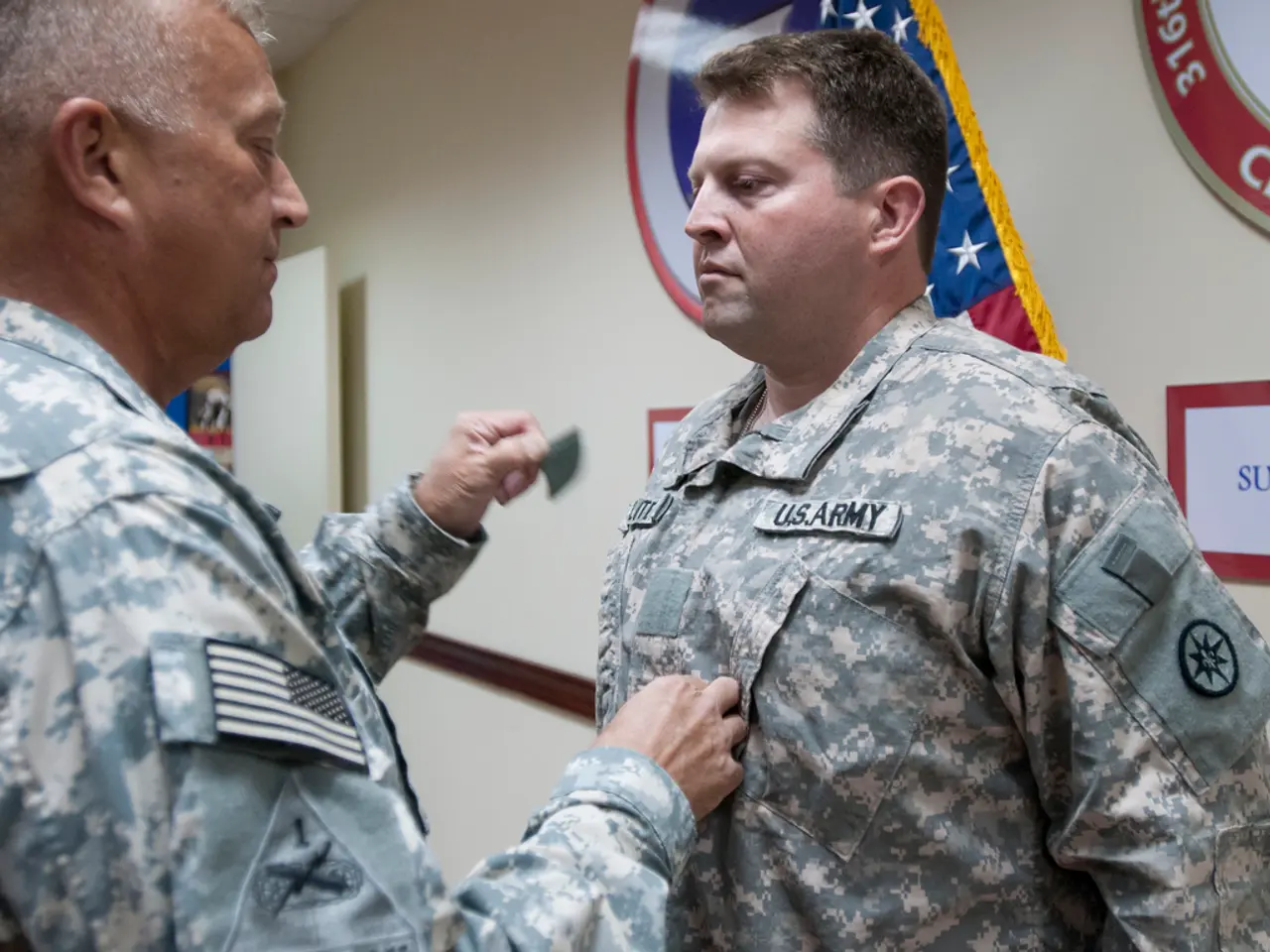
The value proposition to the next potential workforce must consider work culture equally crucial to other drivers of recruitment. Work attire differences can cause othering, with the military's use of uniforms and civilians' adherence to a separate set of criteria for workplace attire serving as a point of friction.
The Department of Defense (DoD) employs approximately 890,000 civilians, making it the fourth largest employer of civilians in the world. Othering, a human condition, is deeply ingrained in intergroup relationships, particularly in the dynamic between the DoD civilians and military members.
The Defense Logistics Agency, which has twenty-four thousand civilians and just eight hundred military personnel, prioritises workforce and culture integration through detailed strategic planning. The Defense Intelligence Agency (DIA) is split between 74 percent civilian and 26 percent military members, devoting significant amounts of time and energy to creating workforce integration among its personnel.
Surveys indicate that members of Generation Z prioritise personal well-being, work-life balance, and diversity when contemplating where to work. Civilians offer military units and organisations diverse perspectives and worldviews from their distinct cultural upbringings, practices, and experiences that add depth to decision-making.
In conclusion, improving civilian-military cohesion within the DoD requires a holistic, long-term cultural evolution. This evolution combines institutional reform, leadership accountability, operational integration, and cultural entrepreneurship, thereby improving civilian-military cohesion and effectiveness within the DoD workforce.
- The need for civilians with technical skills in logistics, space, cyber, and medical fields is increasing within national security in light of rapid technological advances.
- Strategies to change the military culture for better integration of civilians include the establishment of integrated, joint advising and operational structures and leadership-driven culture change initiatives.
- Encouraging culture entrepreneurs and change agents who can align emerging civilian roles and cultural values with traditional military norms is another strategy for improved cohesion within the DoD workforce.
- The military needs to shift its mindset on what it means to integrate civilians into military organizations, as the talent deficit in the DoD is a significant challenge, with only one service, the Marine Corps, expecting to meet its recruiting goals in 2023.
- Improving civilian-military cohesion within the DoD requires a holistic, long-term cultural evolution that encompasses institutional reform, leadership accountability, operational integration, and cultural entrepreneurship.